
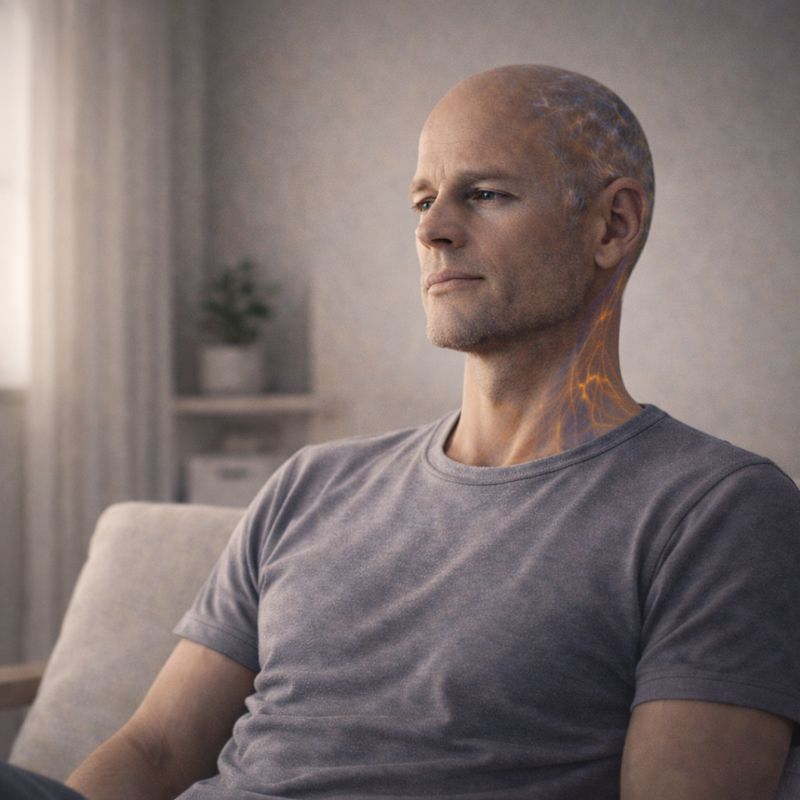
You can sleep for eight hours and still wake up exhausted. In many cases, the issue is not how long you sleep, but how much deep sleep you get. Deep sleep is responsible for physical recovery, nervous system reset, and immune repair. When it’s consistently insufficient, the effects show up clearly — both physically and mentally.
This article explains the most common signs you’re not getting enough deep sleep and how to distinguish deep sleep deprivation from general sleep loss.
Waking Up Feeling Unrefreshed
One of the clearest signs of insufficient deep sleep is waking up feeling tired despite adequate sleep duration.
You may experience:
- Heavy or sluggish mornings
- Feeling like sleep “didn’t work”
- Needing excessive time to fully wake up
Deep sleep is when the body restores itself. Without enough of it, sleep feels shallow and incomplete.
Persistent Physical Fatigue
Deep sleep is essential for muscle repair and tissue recovery. When deep sleep is low, physical fatigue accumulates even without intense activity.
Common signs include:
- Ongoing tiredness
- Reduced physical stamina
- Feeling drained early in the day
This fatigue often persists regardless of caffeine intake or motivation.
Poor Workout Recovery and Increased Soreness
Athletes and physically active individuals are especially sensitive to deep sleep loss.
Signs include:
- Lingering muscle soreness
- Slower recovery between workouts
- Decreased strength or endurance
- Increased injury risk
Growth hormone release during deep sleep is critical for recovery. Without it, physical adaptation slows.
Increased Sensitivity to Stress
Deep sleep allows the nervous system to reset into a parasympathetic state. When deep sleep is insufficient, stress tolerance drops.
You may notice:
- Feeling easily overwhelmed
- Irritability
- Heightened stress responses
- Difficulty relaxing
This often creates a feedback loop where stress further reduces deep sleep.
Brain Fog and Reduced Mental Clarity
While REM sleep is important for cognition, deep sleep also plays a role in brain maintenance and neural recovery.
Low deep sleep may cause:
- Difficulty concentrating
- Slower thinking
- Reduced mental sharpness
- Trouble staying focused
Mental fatigue combined with physical exhaustion is a strong indicator of poor deep sleep.
Frequent Nighttime Awakenings
Deep sleep is characterized by stable, uninterrupted sleep. Fragmented sleep often prevents sufficient deep sleep from occurring.
Signs include:
- Waking up multiple times per night
- Light, easily disturbed sleep
- Difficulty staying asleep
Even if total sleep time is adequate, frequent awakenings reduce deep sleep efficiency.
Increased Reliance on Caffeine or Stimulants
When deep sleep is insufficient, many people compensate with stimulants.
Warning signs include:
- Needing caffeine immediately upon waking
- Increasing caffeine intake over time
- Feeling dependent on stimulants to function
Stimulants mask fatigue but do not replace the recovery provided by deep sleep.
Elevated Baseline Soreness or Inflammation
Deep sleep plays a role in immune regulation and inflammation control.
Low deep sleep may present as:
- General body aches
- Joint stiffness
- Frequent minor illnesses
- Slow healing
These signs suggest incomplete physical recovery.
Poor Sleep Tracker Deep Sleep Scores (Over Time)
Wearables can provide useful trend data. While not perfectly accurate, consistently low deep sleep readings may indicate a real issue.
Important considerations:
- One low night is normal
- Patterns over weeks matter
- Compare trends, not single values
Tracker data should support, not replace, how you feel.
Feeling “Tired but Wired”
Some people feel exhausted yet unable to relax or sleep deeply.
This pattern often includes:
- Evening restlessness
- Difficulty winding down
- Light, non-restorative sleep
It reflects nervous system imbalance and poor deep sleep quality.
Getting Enough Sleep Hours but Still Exhausted
Perhaps the most telling sign is sleeping long enough but never feeling recovered.
If you:
- Sleep 7–9 hours regularly
- Maintain a decent schedule
- Still feel physically depleted
The problem is likely deep sleep quality rather than duration.
What Commonly Causes Low Deep Sleep
Several factors strongly reduce deep sleep:
- Irregular sleep schedules
- Late bedtimes
- Alcohol consumption
- Late meals
- High evening stress
- Late stimulant use
- Poor circadian alignment
Addressing these usually improves deep sleep naturally.
When to Take Low Deep Sleep Seriously
Occasional low deep sleep is normal. Chronic patterns are not.
If symptoms persist for weeks and affect daily functioning, deep sleep quality should be addressed before increasing sleep duration or adding stimulants.
Final Thoughts: Signs You’re Not Getting Enough Deep Sleep
Insufficient deep sleep shows up as physical fatigue, poor recovery, stress sensitivity, and unrefreshing sleep — even when total sleep time appears adequate. Deep sleep is the foundation of physical restoration and nervous system reset.
Improving deep sleep starts with consistent timing, circadian alignment, and reducing behaviors that fragment sleep. When deep sleep improves, energy, recovery, and resilience improve naturally.
Continue Exploring Deep Sleep & Recovery
This article is part of the Deep Sleep & Recovery section within the Sleep Optimization framework.
Return to the main guide:
/sleep-optimization/deep-sleep-recovery/