
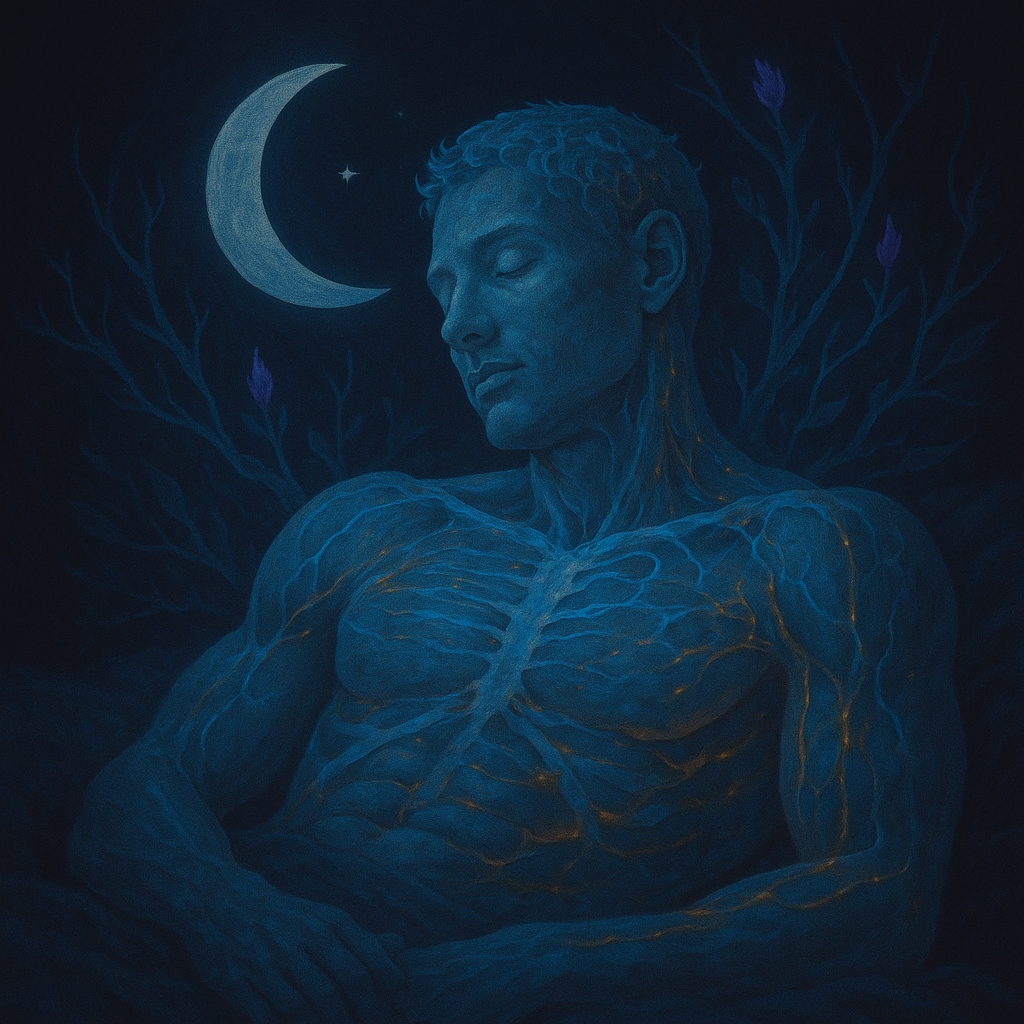
Why Deep Sleep Matters
Deep sleep — also known as slow-wave sleep (SWS) — is the most restorative phase of your nightly sleep cycle.
During this stage, your brain slows down, your muscles repair, growth hormone peaks, and your nervous system resets.
It’s the foundation of physical recovery, cognitive clarity, and long-term health.
Without enough deep sleep, no amount of training, supplements, or caffeine can compensate.
⚙️ The Science Behind Deep Sleep
When you enter deep sleep, your brain waves shift into delta frequency.
This state triggers:
- Tissue repair and muscle growth through the release of growth hormone (HGH).
- Memory consolidation, improving learning and creativity.
- Immune regulation and cellular detoxification.
Deep sleep typically occurs during the first half of the night and shortens with age, stress, and light exposure.
⚡ Top Factors That Disrupt Deep Sleep
Modern habits often sabotage deep sleep without you noticing.
Common culprits include:
- Blue light from screens before bed (suppresses melatonin).
- Late meals or alcohol, which increase body temperature and heart rate.
- Chronic stress and elevated cortisol at night.
- Irregular sleep schedules that confuse the circadian rhythm.
💡 Top Tips to Improve Deep Sleep & Recovery
1️⃣ Control Light Exposure
Get morning sunlight to set your circadian rhythm and use warm, dim lighting two hours before bed.
Avoid screens or use blue-light filters.
2️⃣ Keep a Cool Sleeping Environment
Your body needs a lower core temperature to enter deep sleep.
Ideal room temperature: 18–20 °C (64–68 °F).
3️⃣ Establish a Fixed Sleep Schedule
Go to bed and wake up at the same time every day.
Consistency trains your body to enter deep sleep faster.
4️⃣ Avoid Heavy Meals and Alcohol at Night
Both disrupt hormone balance and REM/deep cycles.
Finish dinner at least 3 hours before bed.
5️⃣ Reduce Evening Stress
Practice slow breathing, meditation, or journaling.
Lower cortisol → deeper recovery.
6️⃣ Optimize Magnesium and Electrolytes
Magnesium glycinate or threonate supports GABA production and muscle relaxation — essential for deep sleep.
7️⃣ Use Data Wisely
Smart devices like Oura Ring or Whoop can help track deep sleep percentage, heart rate variability, and body temperature trends.
🔬 Advanced Biohacks for Deep Sleep
If you already master the basics, try:
- Cold exposure before bed (short shower to drop body temperature).
- Weighted blankets to activate the parasympathetic system.
- Aromatherapy (lavender, chamomile) to promote relaxation.
- Nootropics and adaptogens such as ashwagandha, L-theanine, or glycine to reduce stress and improve sleep onset.
💤 Final Thoughts
Deep sleep is not a luxury — it’s the core of recovery, longevity, and performance.
By mastering your environment, habits, and mindset, you can unlock the most powerful form of restoration your body offers every night.
Sleep smarter, not longer — and wake up truly renewed.